
Home Security Against Home Invasions: How to Protect Your Home
- bouf55
- Sep 13
- 5 min read
Home invasions can happen anywhere, but with the right security measures, you can significantly reduce your risk. Most burglars are opportunists looking for easy targets: homes that appear unoccupied, poorly secured, or offer quick access to valuables. By implementing a layered security approach, you create multiple barriers that make your home far less attractive to potential intruders.
The key to effective home security isn't just one expensive system: it's combining physical barriers, smart technology, environmental design, and behavioral strategies that work together to protect your family and property.
Strengthen Your Physical Defenses
Secure All Entry Points
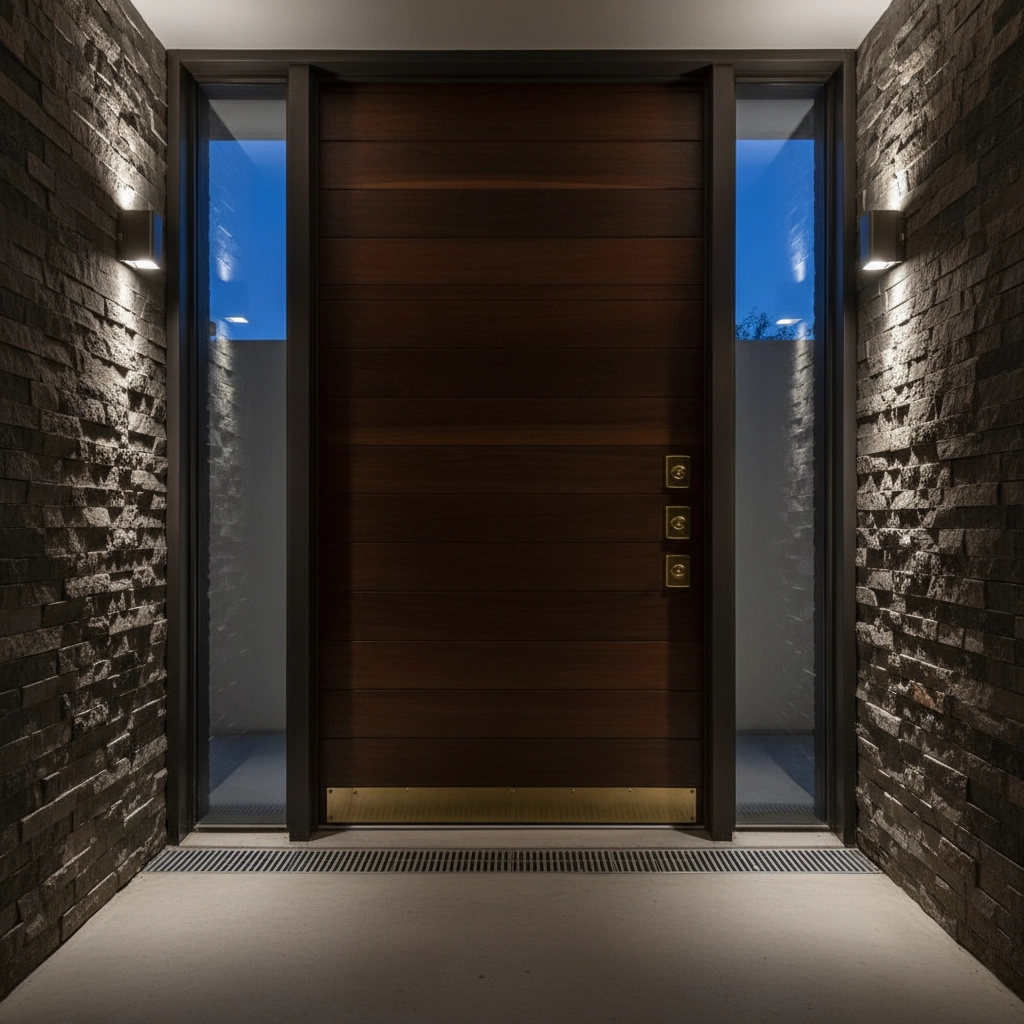
Your doors and windows are the first line of defense against intruders. Start with your front door: install a solid wood or metal door that's at least 1.75 inches thick. Hollow core doors can be kicked in easily, so this upgrade is worth the investment.
Add double-key deadbolts that require a key to unlock from both sides. While this requires keeping a key nearby for emergency exits, it prevents burglars from breaking door glass and reaching in to unlock the door. Install strike plates with 3-inch screws that go deep into the door frame: these make doors nearly impossible to kick in.
For sliding glass doors, place a security bar or dowel in the track to prevent the door from being forced open. Consider installing a floor lock as an additional measure. These doors are particularly vulnerable because they're often tucked away from street view and can be lifted off their tracks if not properly secured.
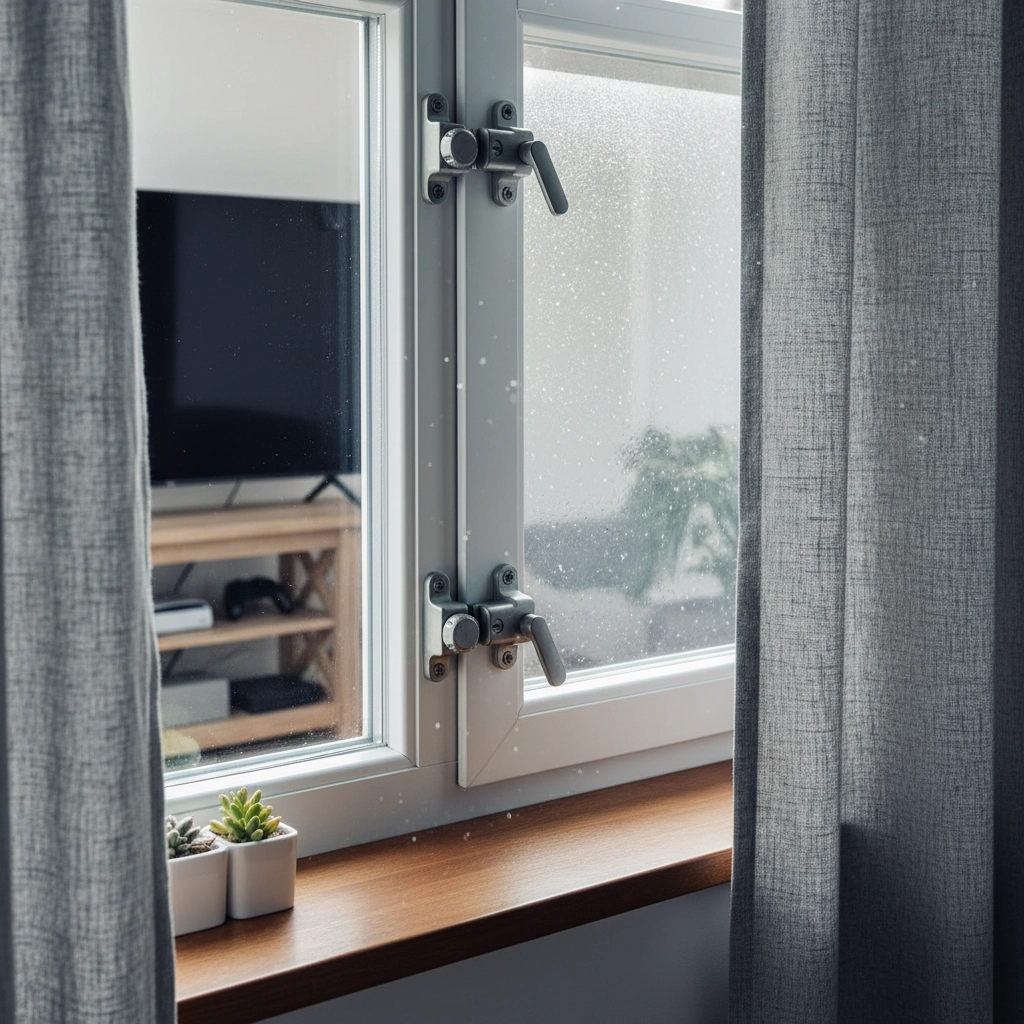
Don't forget about windows. Install window locks on all accessible windows, including basement and second-floor windows that might be reached by climbing. Security film on glass can prevent easy breaking, and window sensors will alert you if someone tries to open them.
Upgrade Your Locks and Hardware
Beyond basic deadbolts, consider smart locks that offer keyless entry and remote monitoring. These eliminate the risk of lost keys falling into the wrong hands and allow you to track who enters your home and when.
Install peepholes or door viewers so you can see who's at your door without opening it. A video doorbell takes this further, letting you see and speak with visitors even when you're not home.
For renters who can't make permanent changes, portable door locks and security bars provide additional protection without damaging the property.
Create Environmental Deterrents
Light Up Your Property
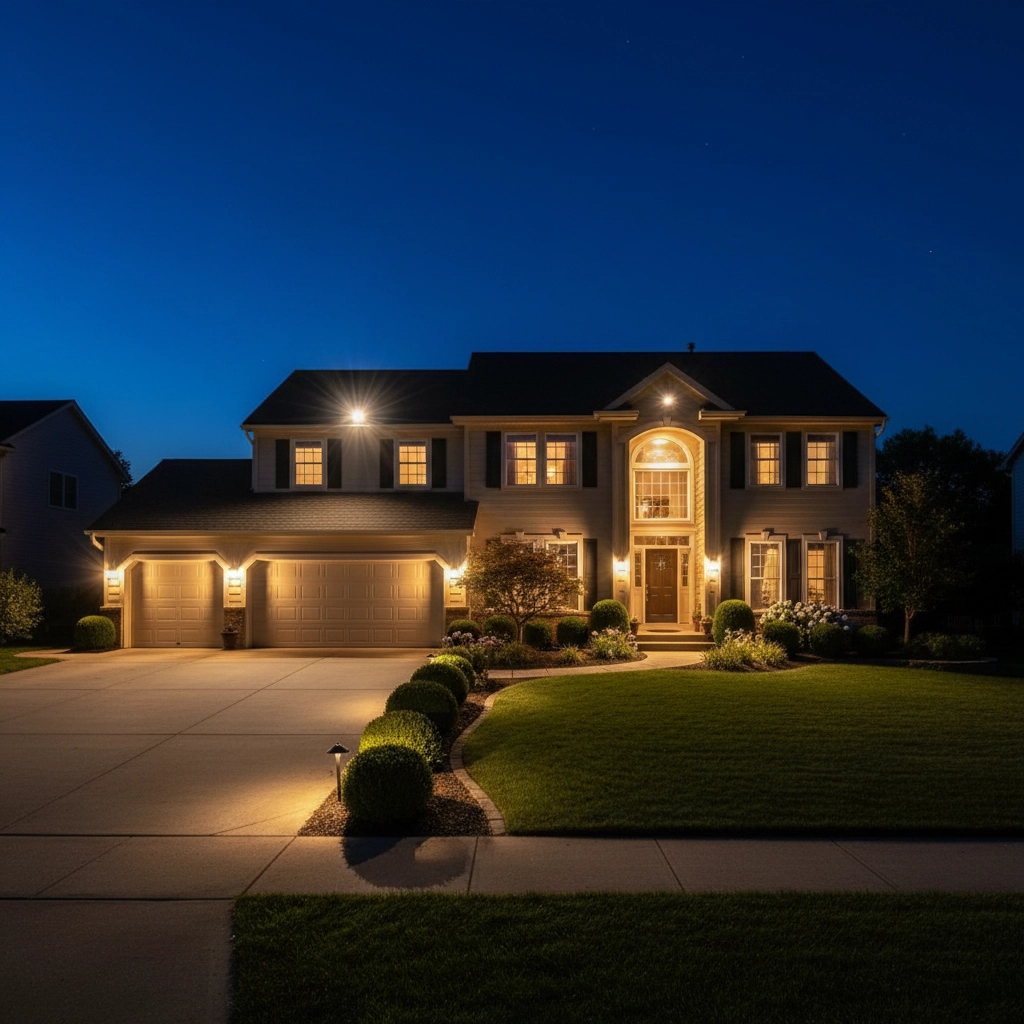
Darkness is a burglar's best friend. Install motion-sensor lights at all entrances, walkways, and potential hiding spots around your property. These serve a dual purpose: they startle intruders and alert neighbors to activity around your home.
Use timer lights indoors to create the appearance of occupancy when you're away. Vary the timing so the pattern isn't predictable. Smart lighting systems can randomize this for you, making it look like someone's naturally moving through the house.
Eliminate Hiding Spots
Walk around your property and identify anywhere an intruder could hide while attempting entry. Trim bushes and trees near windows and doors: they shouldn't provide cover for someone trying to break in. Remove or secure items like ladders, tools, or outdoor furniture that could be used to reach upper-level windows.
Keep your garage closed and locked at all times. An open garage tells burglars you're not home and provides access to tools they could use in a break-in. It also offers a concealed workspace where they can attempt entry into your house through the connecting door.
Maintain Your Property
A well-maintained home signals active occupancy. Keep your lawn mowed, collect mail and packages promptly, and ensure gutters and exterior features are in good repair. An unkempt property suggests no one's paying attention: exactly what burglars look for.
Leverage Technology Wisely
Security Systems That Work
Modern security systems offer much more than simple alarms. Look for systems that include door and window sensors, motion detectors, and 24/7 monitoring. The key is choosing a system you'll actually use: complicated setups often get disabled out of frustration.
Wireless systems are easier to install and can't be defeated by cutting phone lines. Many include smartphone apps that let you monitor your home remotely and receive instant alerts about suspicious activity.

Strategic Camera Placement
Security cameras serve as both deterrents and evidence-gathering tools. Place them at all entrances and in areas where valuable items are stored. Make sure they're visible to potential intruders: the psychological deterrent effect is often more valuable than the recording capability.
Modern cameras offer night vision, two-way audio, and cloud storage. Some can even distinguish between people, pets, and vehicles to reduce false alarms.
Smart Home Integration
Connect your security devices for maximum effectiveness. Smart locks, cameras, lights, and alarms working together create a comprehensive security network. Set up automated responses: like lights turning on when motion is detected or cameras starting to record when doors are opened.
Develop Smart Security Habits
Make Your Home Look Occupied
Most burglaries happen during daytime hours when homes are typically empty. Create the illusion of occupancy by varying your routines and using technology to simulate activity. Leave a radio or TV on, use automatic timers for lights, and ask neighbors to park in your driveway occasionally when you're away for extended periods.
Social media can work against you: avoid posting about vacations or time away from home until after you return. These posts tell criminals exactly when your home will be empty.
Secure Your Valuables
Keep expensive items away from windows where they're visible to passersby. Use curtains or blinds to prevent outsiders from seeing inside your home and cataloging potential targets.
Consider a home safe for important documents, jewelry, and cash. Fireproof safes protect against both theft and disasters. For larger valuables, safety deposit boxes offer off-site security.
Build Community Connections
Good relationships with neighbors create an informal security network. They can watch for suspicious activity, collect packages, and make your home appear occupied when you're away. Many communities have formal neighborhood watch programs that provide additional security through collective vigilance.
Prepare for the Unexpected
Document Your Belongings
Take photos and record serial numbers of valuable items. Store this information off-site or in cloud storage. This documentation helps with insurance claims and police recovery if items are stolen.
Create Emergency Plans
Develop and practice plans for different scenarios. Know where family members should go if they hear someone breaking in, establish communication protocols, and ensure everyone knows how to contact emergency services quickly.
Consider professional training to understand security principles better. SecuGuard Academy offers courses that teach situational awareness and security fundamentals: valuable skills for both personal and professional settings.
Regular Security Reviews
Schedule quarterly security assessments of your property. Check that all locks work properly, test security system components, update passwords, and look for new vulnerabilities that might have developed.
The Power of Layered Security
No single security measure provides complete protection, but combining multiple strategies creates a robust defense system. Start with basic physical security, add technology that fits your budget and lifestyle, and develop habits that reduce your risk profile.
Remember that most home invasions are crimes of opportunity. By making your home a harder target than your neighbors', you significantly reduce your chances of being victimized. The goal isn't to create a fortress: it's to convince potential intruders to look elsewhere for easier targets.
Effective home security requires ongoing attention and occasional updates as technology evolves and circumstances change. But with consistent application of these principles, you can create a secure environment that protects your family and gives you peace of mind.
Comments